Have you ever wondered how AI assistants like ChatGPT and Claude “remember” what you talked about earlier? Why do they sometimes seem to recall everything, and other times suddenly “forget”?
Today, we are going to uncover the mystery of AI “memory” and see how top AI products design their memory systems.
Can AI “Forget” Things?
First, let us understand a key concept: Context Window.
Imagine you are reading a book, but you can only see the current page and a few previous pages at a time. If the book has 1000 pages, when you reach page 100, you might have “forgotten” pages 1-50—not because they were deleted, but because you cannot see them anymore.
AI works similarly. Although AI can process a lot of text (Claude can handle hundreds of thousands of words), it still has a “field of view.” When conversations get too long, early content falls outside this range, and the AI can no longer “see” it.
This is the AI’s “curse of forgetting”—not truly forgotten, just invisible.
Claude Code’s Three-Layer Memory System
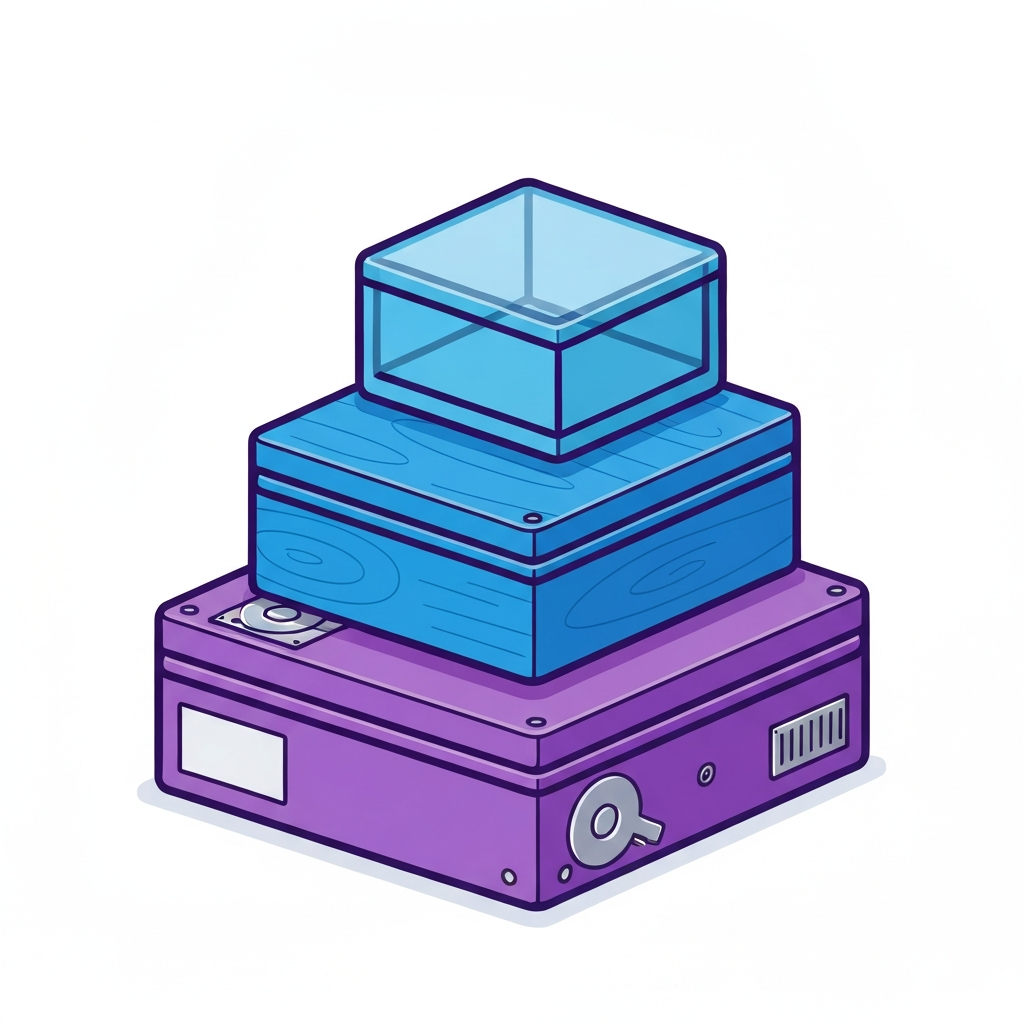
To solve this problem, Claude Code (Claude’s programming assistant version) designed a clever three-layer memory system. We can think of it like three levels of human memory:
Layer 1: Short-Term Memory (Session Memory)
Like when you are solving a math problem and need to remember where you are, what formulas you used, and what difficulties you encountered.
Claude Code automatically maintains a session note that records:
- Current State: What are we doing now? What tasks are unfinished?
- Important Files: Which files matter? What do they do?
- Workflow: What commands to run? In what order?
- Errors & Fixes: What errors occurred? How were they solved?
- Lessons Learned: What methods work? What should be avoided?
This note updates automatically in the background. When conversations get too long, Claude reads this note first to quickly “recall” the previous state before continuing.
Analogy for Students: Like your class notes. The teacher talks for 45 minutes—you cannot remember every word, but your notes help you remember the key points.
Layer 2: Long-Term Memory (extractMemories)
Short-term memory only solves the “current conversation” problem. But if AI wants to truly understand you—your coding style, common mistakes you make, special requirements for your projects—it needs long-term memory.
At the end of each conversation, Claude Code automatically “organizes” the conversation and extracts information worth keeping long-term:
- User preferences and habits
- Important project information
- Effective problem-solving methods
- Mistakes to avoid
This information is saved to a dedicated memory folder, with a MEMORY.md file serving as an index for quick lookup.
Analogy for Students: Like your mistake notebook. You do not copy all your homework into it—only the problems you got wrong that are worth reviewing.
Layer 3: Team Memory (teamMemorySync)
If you are working on a project with classmates, do you need to share some information? Like project rules, commonly used code snippets, naming conventions everyone agreed on?
Claude Code’s team memory does exactly this:
- Write information useful to the team into a special folder
- Automatically sync to the cloud
- Team members can all see this shared memory
Plus, it has security protection—if sensitive information (like passwords or keys) is detected, it will not be uploaded.
Analogy for Students: Like your class’s shared folder where everyone can put materials for others to use. But the teacher checks first to make sure nothing inappropriate is included.
Why Is This Design So Smart?
Claude Code’s memory system has several clever design features:
1. Layered Design, Each with Its Purpose
| Memory Layer | Purpose | Duration | Analogy |
|---|---|---|---|
| Short-Term | Current conversation state | One session | Class notes |
| Long-Term | Personal preferences | Permanent | Mistake notebook |
| Team Memory | Shared knowledge | Permanent | Class shared folder |
Just like the human brain: working memory (short-term), personal experience (long-term), and social knowledge (team).
2. Automatic Organization, No Effort Required
You do not need to manually tell the AI “please remember this”—it automatically judges what is worth remembering and what is not. Like a smart assistant who knows what to record and what to skip.
3. Security Boundaries, Preventing Chaos
When organizing memories, AI can only write to designated folders and cannot mess with your other files. And team memory checks for sensitive information to prevent leaks.
4. Incremental Updates, Saving Resources
Instead of rewriting all memories every time, it only updates changed parts. This is fast and efficient.
What Can You Learn From This?
As a student, while you might not use Claude Code immediately, the idea of layered memory can be applied to your studies:
1. Class Notes (Short-Term Memory)
Quickly record key points during class—no need for perfection. The goal is to capture what the teacher emphasized and your questions.
2. Mistake Notebook (Long-Term Memory)
Regularly organize mistakes from homework and exams. Do not just copy the questions—also record:
- Why did you get it wrong?
- What is the correct approach?
- How to avoid it next time?
3. Study Group Sharing (Team Memory)
Share good learning methods, useful materials, and common pitfalls with classmates. Help each other and improve efficiency.
The Future of AI Memory
Claude Code’s memory design represents an important direction in AI development: making AI truly “understand” you.
Future AI assistants might:
- Remember all your project details
- Understand your learning and work habits
- Proactively offer help when you need it
- Seamlessly collaborate with team members
It is like having a super assistant who never forgets and is always learning.
Summary
AI “memory” is not magic—it is a carefully designed system:
- Short-Term Memory: Records current state, solving the “field of view” problem
- Long-Term Memory: Accumulates personal experience, helping AI understand you better
- Team Memory: Shares knowledge, improving collaboration efficiency
The core principles of this system are: layered, automatic, and secure.
Next time you chat with AI, think about this memory system working behind the scenes—quietly working to not let you down.
Further Reading
- Original Article: Memory Design in Claude Code (Chinese)
- Claude Code Official Documentation
